 MON – FRI: 7AM TO 4:30PM | SAT: 7AM – 11AM | SUN: Closed
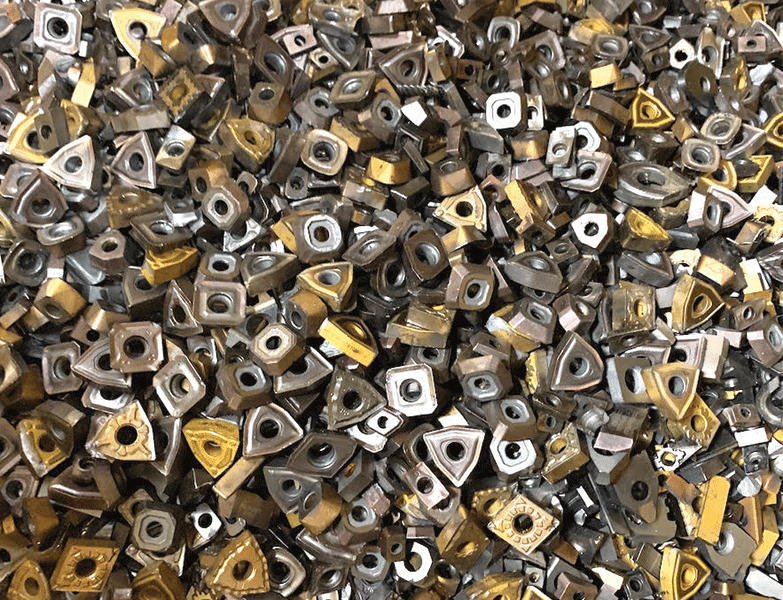
Tungsten carbide is one of the most valuable materials found in industrial scrap. Known for its incredible hardness, durability, and resistance to wear, tungsten carbide is widely used in manufacturing, machining, mining, and drilling applications.
Because it contains a high concentration of tungsten—a rare and valuable metal—tungsten carbide scrap is highly sought after by recyclers and manufacturers alike. Instead of throwing away worn or broken tools, many businesses recover significant value by recycling this material.
Understanding what tungsten carbide scrap is, where it comes from, and why it’s valuable can help businesses maximize their return on scrap materials.
What Is Tungsten Carbide?
Tungsten carbide is a compound made from tungsten and carbon atoms bonded together. The result is an extremely hard material that performs well under high temperatures and intense wear.
In fact, tungsten carbide is nearly as hard as diamond and significantly harder than steel. Because of this, it is commonly used in tools and industrial equipment that must withstand extreme conditions.
Manufacturers often combine tungsten carbide with cobalt or nickel to create cemented carbide, which improves durability and toughness for cutting and drilling applications.
Common Sources of Tungsten Carbide Scrap
Many industries rely heavily on tungsten carbide components. When these tools wear out or break, they often become valuable scrap material.
Some of the most common sources include:
- CNC cutting tools and inserts
- Drill bits and mining tools
- Wear parts for heavy equipment
- Router bits and end mills
- Industrial saw tips
- Oil and gas drilling components
Machine shops, manufacturing plants, and mining operations frequently accumulate tungsten carbide scrap as tools are replaced during normal operations.
Why Tungsten Carbide Scrap Is Valuable
Tungsten is considered a strategic metal, meaning global supply is limited and demand is high. Mining and refining tungsten is expensive and environmentally intensive, which makes recycled tungsten carbide an important source for manufacturers.
There are several reasons tungsten carbide scrap holds significant value:
High Tungsten Content
Tungsten carbide scrap often contains 70–97% tungsten, making it a rich source of this critical metal.
Strong Industrial Demand
Industries such as aerospace, automotive manufacturing, mining, and energy rely heavily on tungsten carbide for cutting tools and wear-resistant components.
Recycling Efficiency
Recycling tungsten carbide requires far less energy than mining and refining new tungsten, making it both economically and environmentally beneficial.
Why Recycling Tungsten Carbide Matters
Recycling tungsten carbide helps conserve valuable natural resources while supporting global manufacturing supply chains.
By recovering tungsten from scrap materials:
- Manufacturers reduce reliance on newly mined tungsten
- Industrial waste is kept out of landfills
- Energy consumption and environmental impact are reduced
For businesses that generate carbide scrap, recycling is not only environmentally responsible—it can also create a valuable revenue stream.
How Scrap Recyclers Process Tungsten Carbide
When tungsten carbide scrap is collected, recyclers sort and process it so the tungsten can be reused in new manufacturing.
Typical processing steps include:
- Sorting and grading the material
- Removing contaminants
- Crushing or processing the carbide
- Recovering tungsten powder for reuse
The recovered material is then used to manufacture new cutting tools, drill bits, and wear-resistant components.
Turning Scrap Into Value
Businesses that work with cutting tools or industrial wear parts often accumulate tungsten carbide scrap without realizing its potential value.
Instead of discarding worn tooling, recycling it can generate additional income while supporting sustainable manufacturing practices.
If your operation produces tungsten carbide scrap—from cutting inserts to drill bits and wear parts—working with a trusted recycling partner can help you recover the maximum value from these materials. Give us a call at (262) 338-8487.